
Watching A, my six-year-old autistic son, explore an adventure playground reminds me why these spaces matter. He climbs, tests himself physically and explores unfamiliar structures, following whatever captures his interest. I see his curiosity and confidence as he discovers what he can do.
That experience is what brought me to volunteering with London Play Design. Today, I help replace deteriorated timber, repair structures, and build furniture and play equipment. My motivation began as a parent, seeing what these places offer my son.
Seeing the impact through A
A visits adventure playgrounds regularly, sometimes after school and on Family Connect Sundays. What initially drew me to them was how different they felt from conventional playgrounds. Rather than a fixed collection of standardised equipment, they offer varied, imaginative environments where children have more freedom in how they explore, take risks and interact with the space.
For A, that freedom means being able to follow his own interests and explore in his own way. Movement, repetition and physical exploration are part of how he engages with his surroundings. There is no prescribed way he needs to play.
I watch him approach unfamiliar structures, climb and test what his body can do. These are opportunities for him to make choices: where to go, what to investigate and which challenge to take on. His independence is visible in those moments when he follows his curiosity and finds his own way through the playground.
As his parent, seeing him explore independently is wonderful. I get to see his capabilities emerge through something he enjoys, on his own terms. The playground gives him room to be himself, and gives me opportunities to recognise and appreciate what he can do.
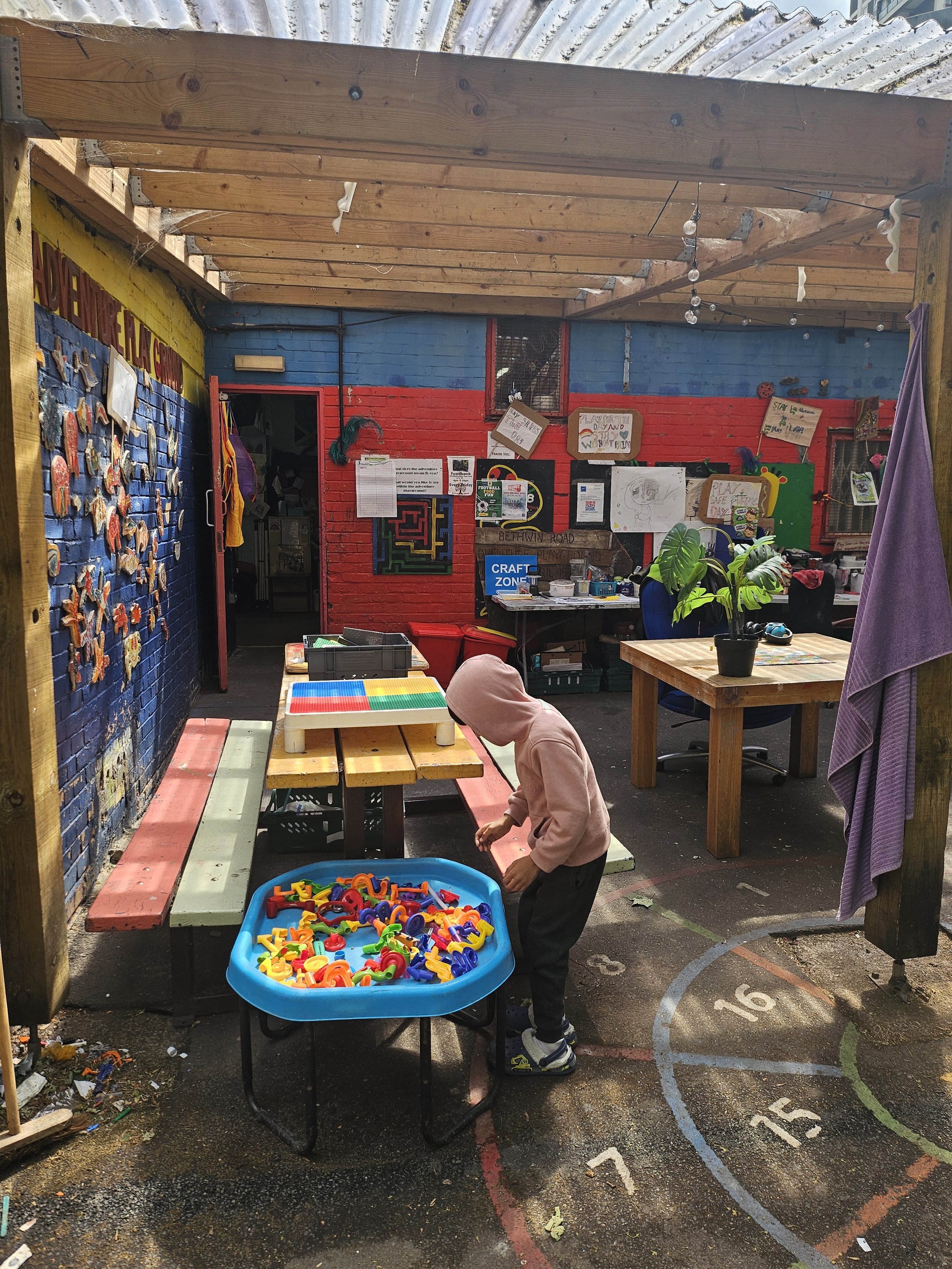
Figure 1. A exploring Bethwin Adventure Playground during Family Connect Sunday
Bethwin Adventure Playground: where the two worlds connected
It was at Bethwin Adventure Playground’s Family Connect Sundays that these two parts of my life came together. While attending with A, the playground manager told me about the work London Play Design had carried out there.
Having already experienced the value of the playground through my son, I became curious about the organisation working behind the scenes to sustain spaces like it. Learning more about LPD made me want to contribute myself, turning my appreciation as a parent into hands-on volunteering.
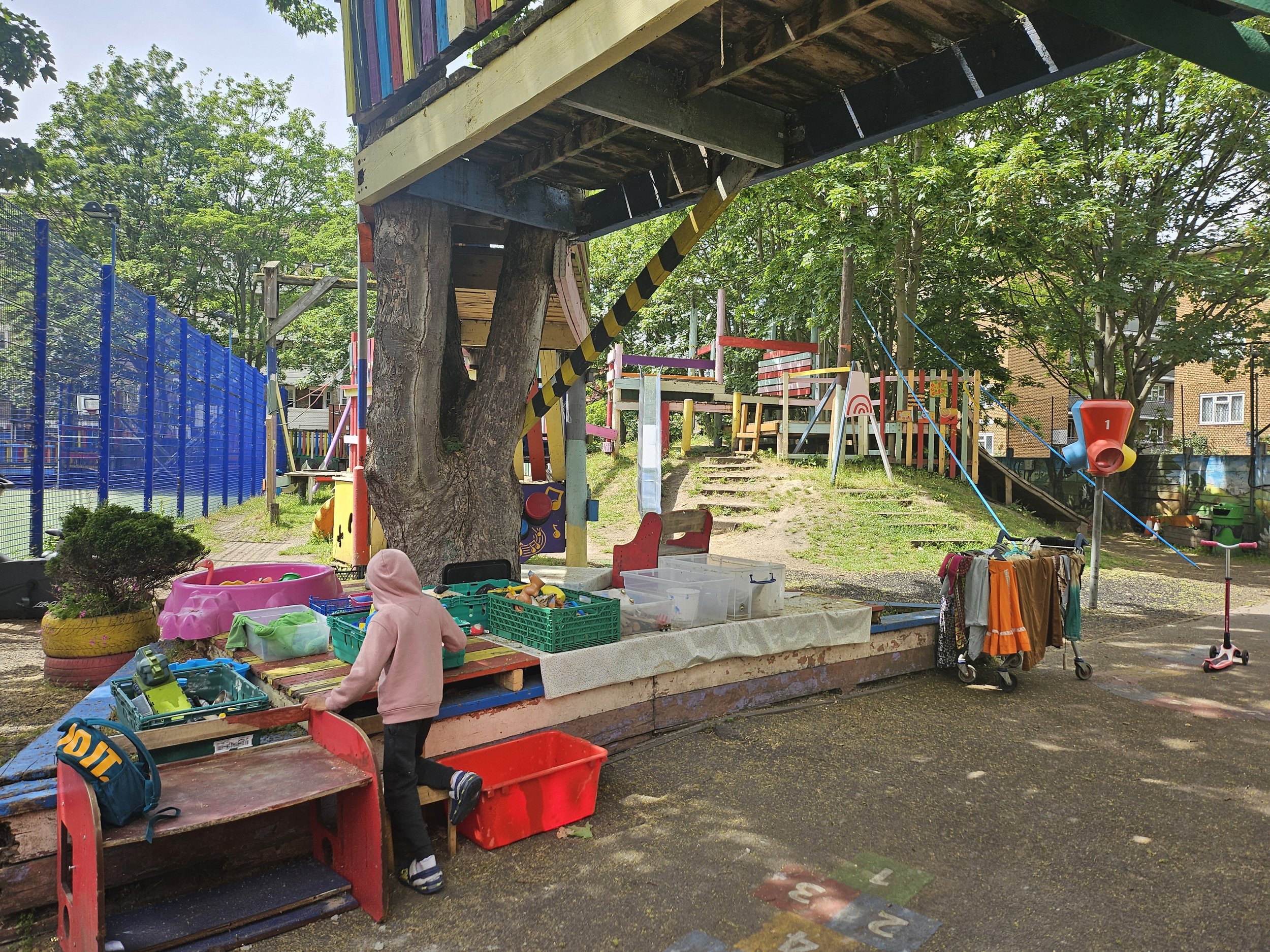
Figure 2. Bethwin Adventure Playground, where I first learned about London Play Design's work while attending Family Connect Sundays with A.
What maintaining an adventure playground actually means
Volunteering has shown me how much work goes into keeping an adventure playground safe and usable. I’ve helped replace deteriorated wooden panels, repair existing structures, and build new furniture and play equipment, while developing practical construction skills and confidence using power tools.
Many adventure playgrounds have served their communities for years. Their structures age and need repair, while limited maintenance budgets can make that ongoing work difficult. London Play Design provides repairs and maintenance free to adventure playgrounds that may otherwise struggle to fund them.
Working alongside other volunteers has made the care behind these spaces visible to me. A playground can seem like something that simply exists, but people continually maintain, repair and improve it. Every structure children explore depends on that ongoing attention.
The connection between a repair and a child’s experience
When I see A navigating the climbing structures at Mint Street Adventure Playground, the connection between maintenance and play feels especially tangible. The timber, platforms and climbing structures provide opportunities for him to move, make decisions and discover what he is capable of.
Replacing a deteriorated panel might seem like a small intervention. But keeping a structure usable preserves those opportunities for the next child: somewhere to explore, attempt a challenge or return to a favourite activity.
For children, including autistic children like A, the variety and freedom of adventure playgrounds can offer different ways to participate. For families like ours, they are places where we can spend time together while allowing our children room to explore in ways that work for them.
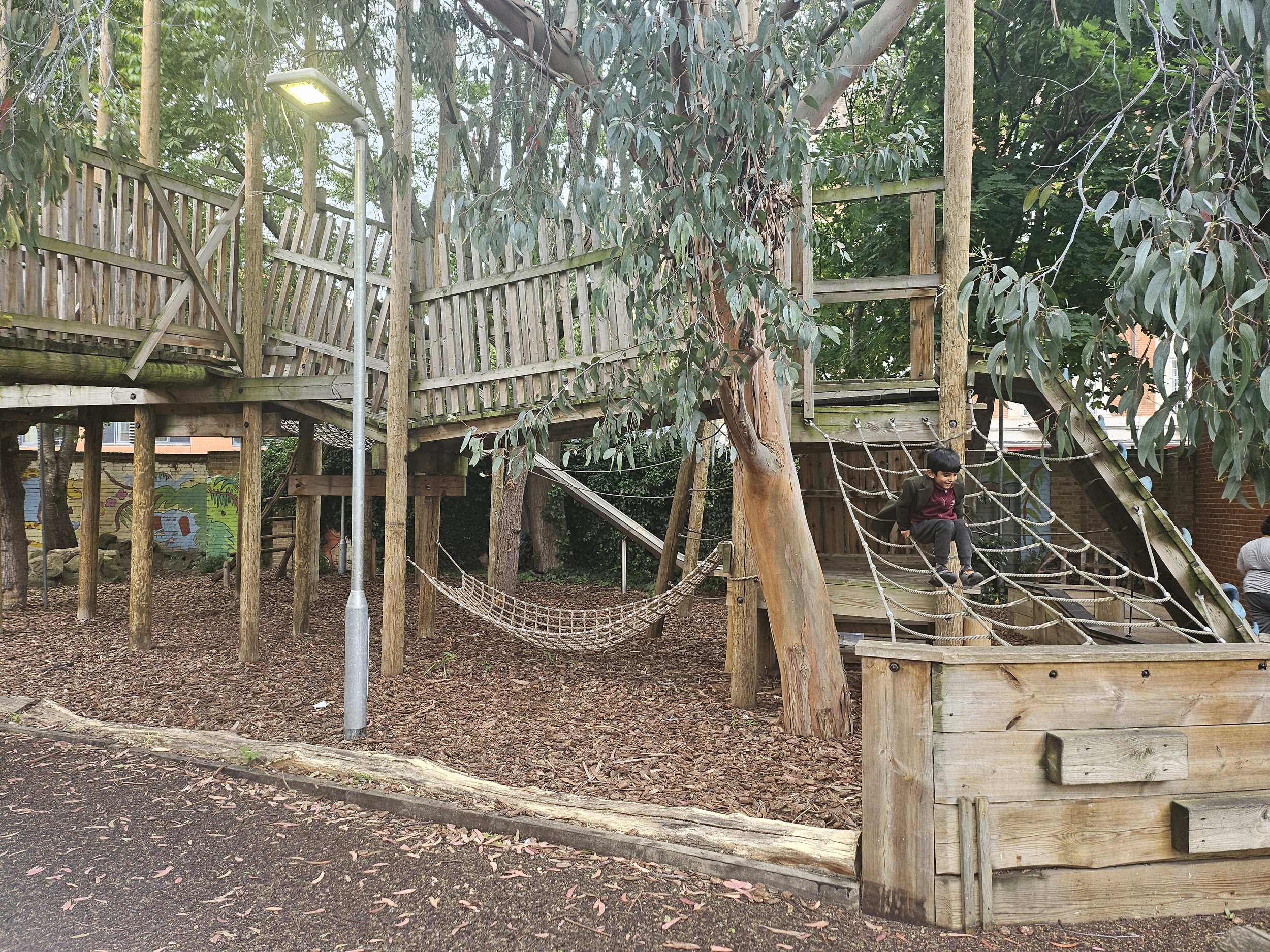
Figure 3. A exploring the climbing structures at Mint Street Adventure Playground.
Why I keep volunteering
Seeing what adventure playgrounds give A makes every repair feel more meaningful. When I replace timber, build something new or help make a structure safer, I can connect that work with the experiences I have watched him enjoy.
I think of his curiosity as he explores an unfamiliar structure, his confidence as he tests himself physically, and his independence as he chooses where to go next. Keeping these spaces alive helps keep those possibilities open for children discovering what they can do.